Personalization Over Spam

Engineering a Dynamic Runtime Content Engine to Align Monetization with User Intent
Executive TL;DR
The Mission: Transform a fragmented, ad-hoc digital marketing approach into a dynamic, behavior-driven runtime content engine. Build flexible UI containers and an operational governance framework that delivers contextual, high-converting financial offers without degrading digital banking usability.
The Core Challenge: Uncoordinated stakeholder intake (Marketing, Product, Security, Tech, Comms) across 400K+ active digital banking members led to intrusive, static ad banners, unpredictable user experiences, and zero cross-functional traceability between user intent and campaign conversions.
The Capability Stack: Integrated a tri-tiered content engine combining a Core CMS (general population banners), a Targeted Dynamic CMS (in-page runtime containers and offer discovery hubs), and Pendo (embedded 3rd-party guide/popups/drawers triggered by real-time user behavior).
The Impact: Transformed generic, intrusive marketing noise into dynamic, behavior-driven financial guidance—aligning commercial monetization goals directly with active member intent. By embedding native layout primitives and leveraging third-party runtime tools (Pendo), we decoupled content deployment from dev cycles. This empowered Product and Design to launch targeted campaigns dynamically, dramatically accelerating go-to-market velocity while establishing strict cross-functional governance to protect interface usability and trust.
62%
User Funding Goals Influenced
16%
Volume Share for Tier Upgrades
Weeks →Days
Zero-Code Go-To-Market
30+
Live Campaigns Deployed
🎯 The Want - Strategic Context & Business Intent
As our digital banking platform matured across web and mobile ecosystems (serving 400K+ active members), business stakeholders needed a scalable, predictable way to deliver targeted messaging, feature discovery, and product offers.
The strategic goal was clear: move from blunt, broad-population broadcast ads to a highly tailored, behaviorally driven personalization model. We needed to build an experience architecture that could surface the right offer to the right user at the right moment in their financial journey—balancing commercial monetization targets directly with active user intent.
🚧 The Obstacle - Systemic Drag & Structural Friction
Before establishing a unified engine, our content deployment ecosystem was broken across three distinct dimensions:
Experience Debt & Intrusive Noise:
1.
Messaging was deployed on an ad-hoc basis through disconnected tools.
Generic, un-targeted banners clogged high-traffic surfaces, causing "banner blindness" and annoying members actively trying to perform routine banking transactions.
Disparate Stakeholder Intakes:
2.
Marketing, Product, Security, Compliance, and Tech were all vying for screen real estate with competing priorities, conflicting release cadences, and zero centralized prioritization.
Lack of Operational Traceability:
3.
The teams originating the business asks, the designers crafting the UI, and the engineers deploying code operated in silos. There was no single source of truth for campaign performance, governance, or code safety.
⚡ The Resolution - Architecture, Execution & Operating Model
To solve both the technical frontend delivery and the organizational intake chaos, I led a progressive, multi-phased modernization strategy paired with an enterprise cross-functional governance model.
Phase A: Progressive Technical Crawl-Walk-Run
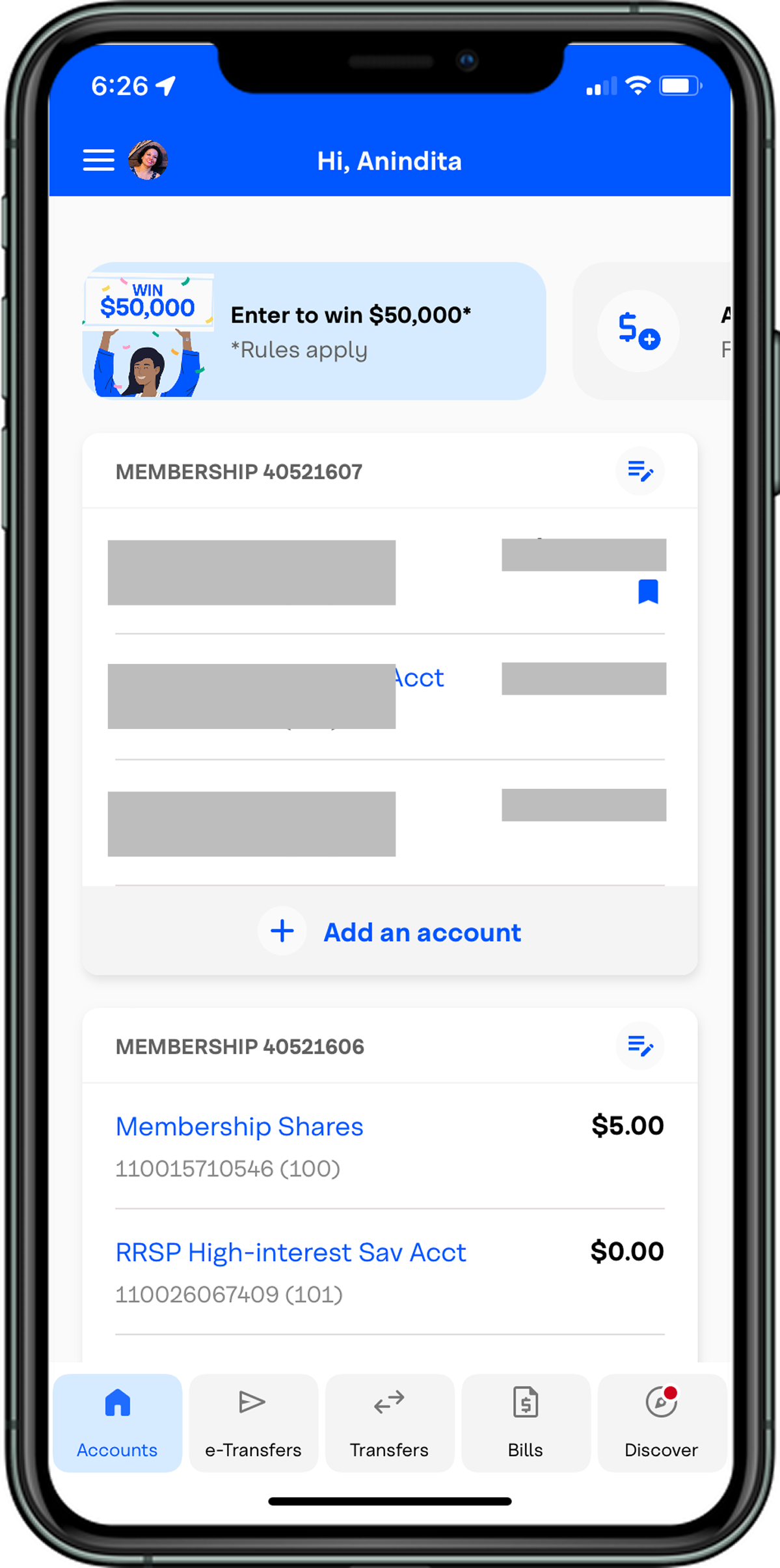
Baseline CTR Benchmarking (General Population Banners): Unified basic CMS-driven banners to establish baseline Click-Through Rates (CTR) and analyze traffic.
Embedded Pendo Engine (Targeted Light-Touch Guides): Implemented Pendo as an embedded 3rd-party tool to serve segmented, contextual popups, lightboxes, and drawers based on real-time user profiles and browsing behaviors.
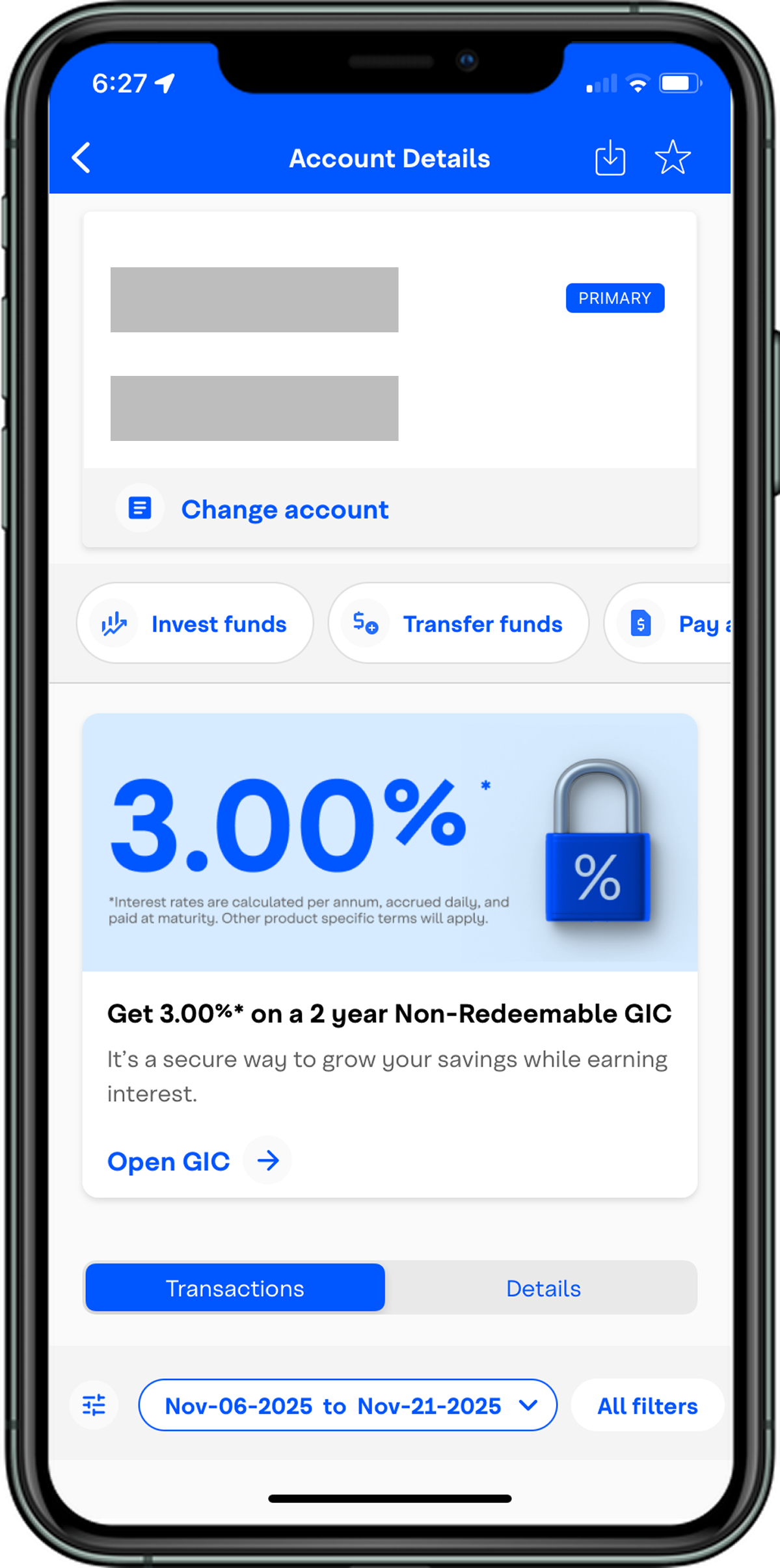
Behavior-Driven Financial Triggers: Positioned high-traffic layout containers triggered by real-time financial behaviors—such as specific account balance thresholds, fee occurrences, or recurring patterns to trigger high-converting, strategically placed inline banners in key app locations..
Native Runtime Experience Containers: Engineered non-intrusive, native layout primitives directly into the core app infrastructure:
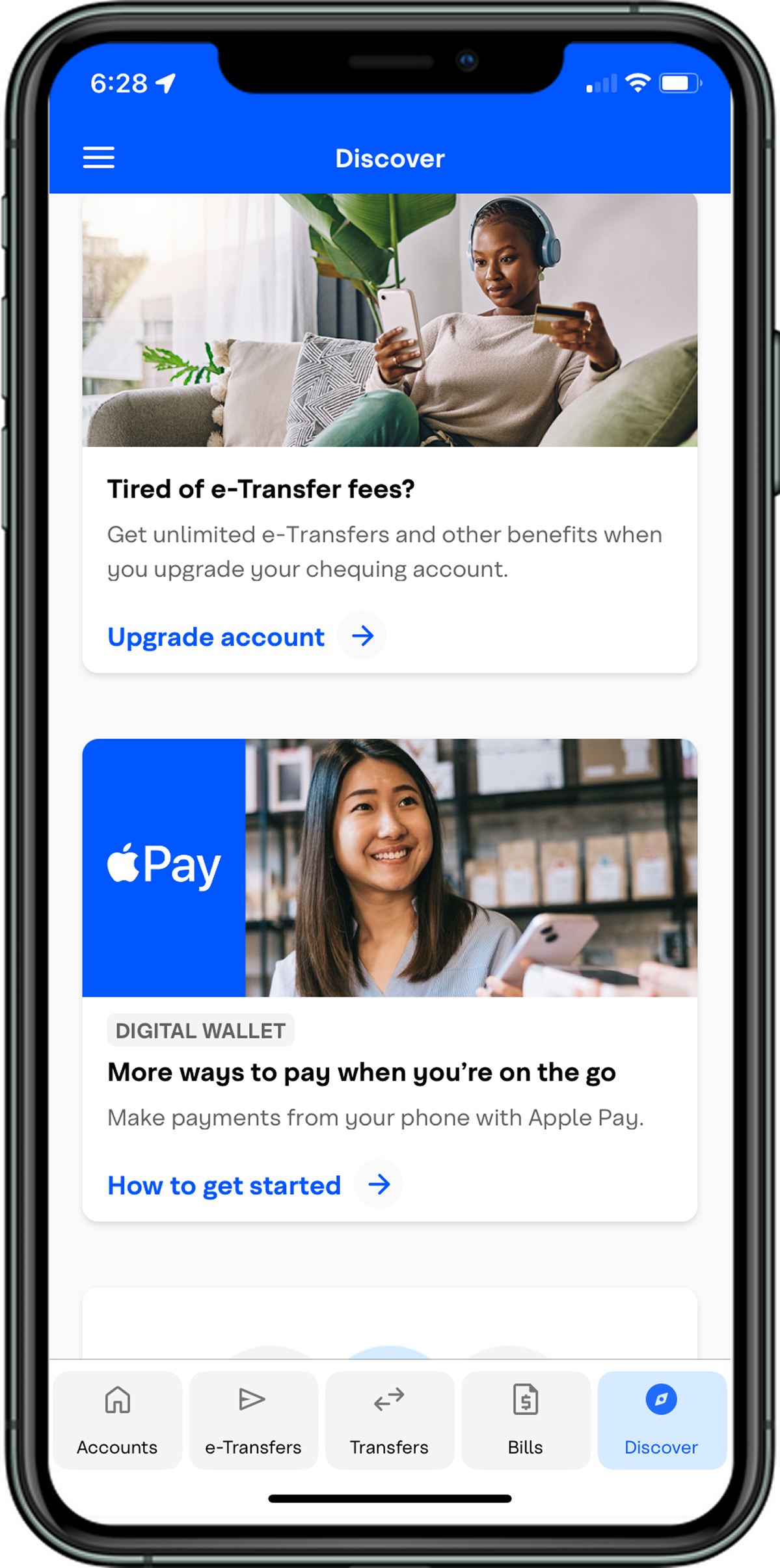
In-Page Inline Cards: Embedded seamlessly within transactional account feeds.
Contextual Feature Guides & Onboarding: Powered by Pendo to assist users at moments of friction or new feature introductions.
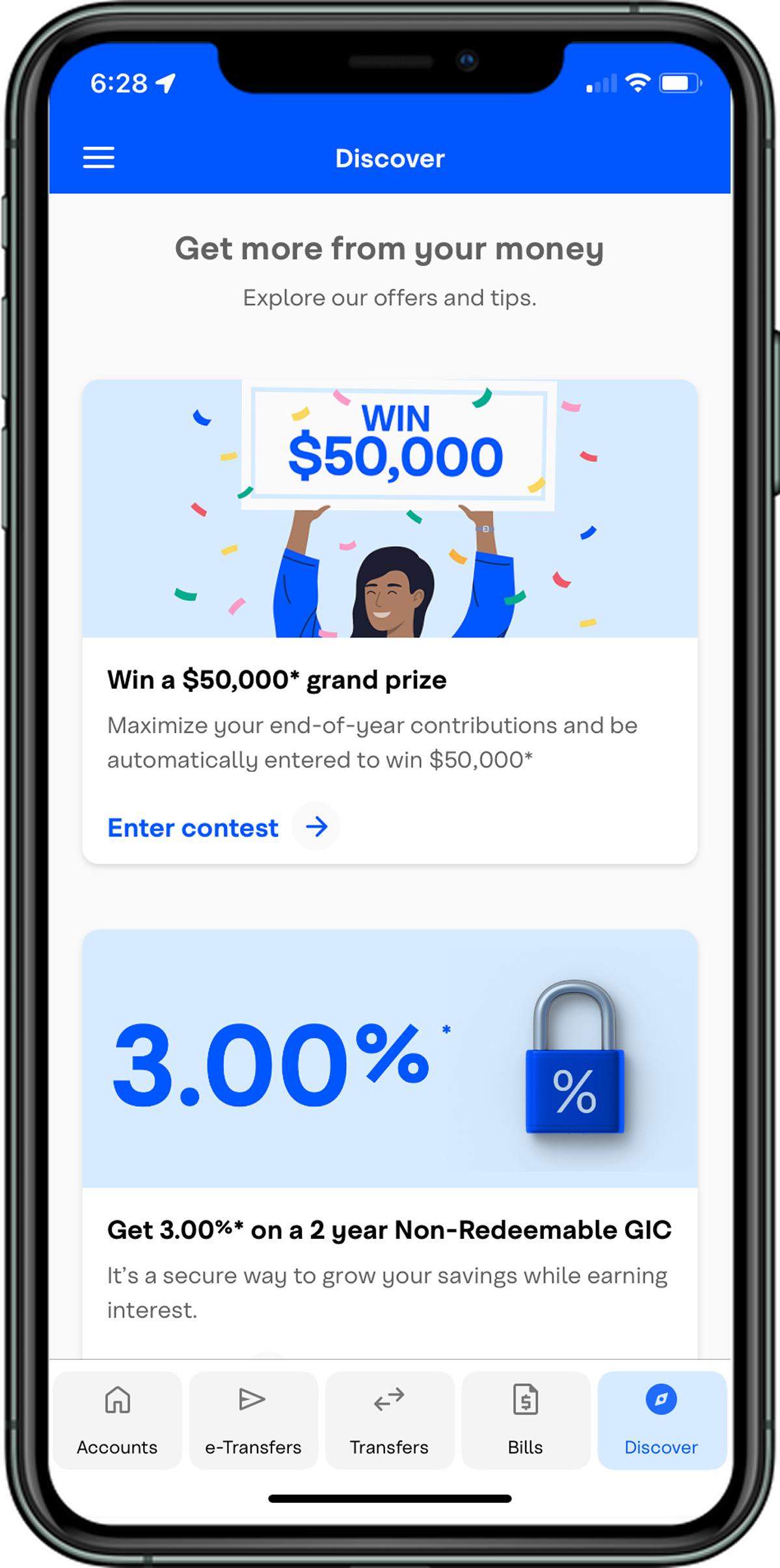
Curated Offer Discovery Hubs: CMS-backed runtime pages allowing Design and Product to update content dynamically without requiring engineering deployment cycles.
Frictionless Direct-Action Opt-Ins: Built explicit, consent-driven campaign modules that connected member opt-in actions directly to backend product origination pipelines in real time.
Phase B: Enterprise Governance & Cross-Functional Workflow
To manage intake velocity and protect the member experience, I instituted an operational governance model:
Centralized Stakeholder Intake Cadence: Established weekly operating connects across Marketing, Product, Tech, Security, and Comms to review campaign proposals against UX guardrails.
Prioritization & Intent Gatekeeping: Set strict rules prioritizing member task completion over monetization prompts, ensuring intrusive messaging never blocked critical banking workflows.
Traceability & Metrics Dashboard: Implemented closed-loop analytics linking specific Pendo guides and Dynamic CMS banners directly to conversion metrics, providing full visibility and decision accountability across business units.
Product Evolution
Rather than attempting a high-risk overhaul all at once, we scaled capability maturity over four deliberate phases. We began by leveraging our Core CMS for general-population baseline metrics, layer-built real-time behavioral segmentation via Pendo for contextual micro-guides, and integrated financial data logic (balances and fee triggers) into targeted banners. This laid the foundation for our end-state Runtime Engine: native in-page containers, a zero-code CMS Offer Discovery hub, and direct-consent opt-in workflows that connected member intent directly to product origination.