The 0-to-1 Foundation
Building the 0-to-1 Foundational Infrastructure for an 80% Product Revenue Capture Engine.
Executive TL;DR
The Mission Replace an unoptimized, fragmented mess of internal legacy tools with a 0-to-1 centralized vendor and operations engine. This platform became the primary pipeline handling 80% of the company's product revenue capture, scaling smoothly for 100K+ employees and thousands of external suppliers.
The Friction Internal merchants were drowning in tool fatigue, manually stitching together uncooperative database tables just to get products listed, causing costly logjams in catalog updates.
The Impact Slashed merchant operational cycle times, killed manual database reconciliation steps, and delivered a high-density, production-ready workspace that turned raw catalog chaos into predictable business velocity.
3x increase
revenue/transaction
2x increase
units/transaction
50-70% decrease
employee task time
8% increase
close rate/employee
🎯 The Want
We needed to design a comprehensive, 0-to-1 retail operations and product-catalog engine from scratch.
This platform had to act as the primary structural spine capturing 80% of the company's product revenue of 30B+ USD .
To move the business needle, the workspace needed to handle dense, real-time supplier data, coordinate multi-layered logistics pipelines, and remain incredibly quick under heavy daily use by a massive workforce of 100K+ employees.
Success meant turning a complex maze of backend engineering rules and retail constraints into a streamlined, fast-moving application.
🚧 The Obstacle
The Legacy Data Tangle:
1.
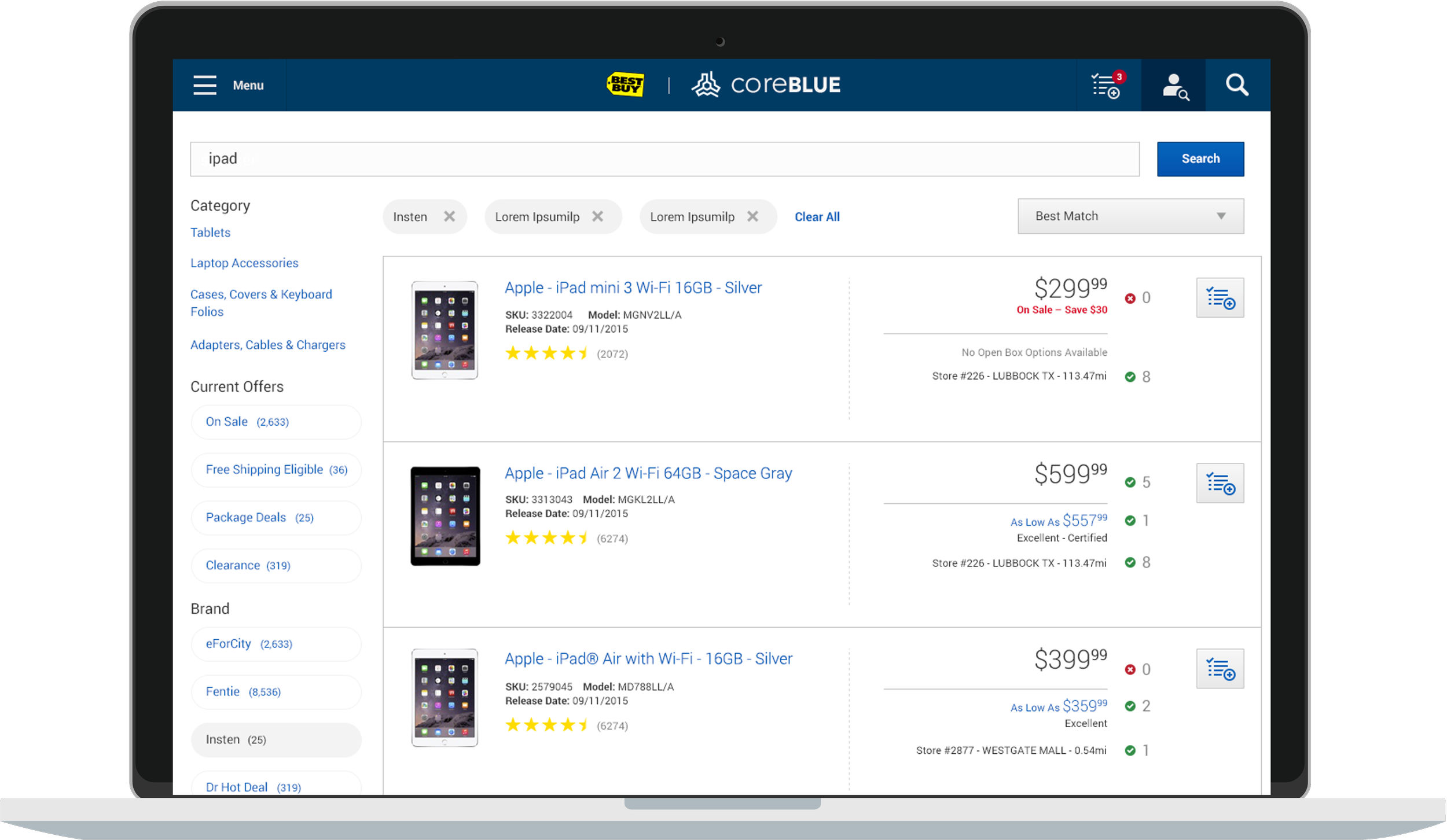
Catalog data was fractured across separate, older backend systems that refused to talk to each other.
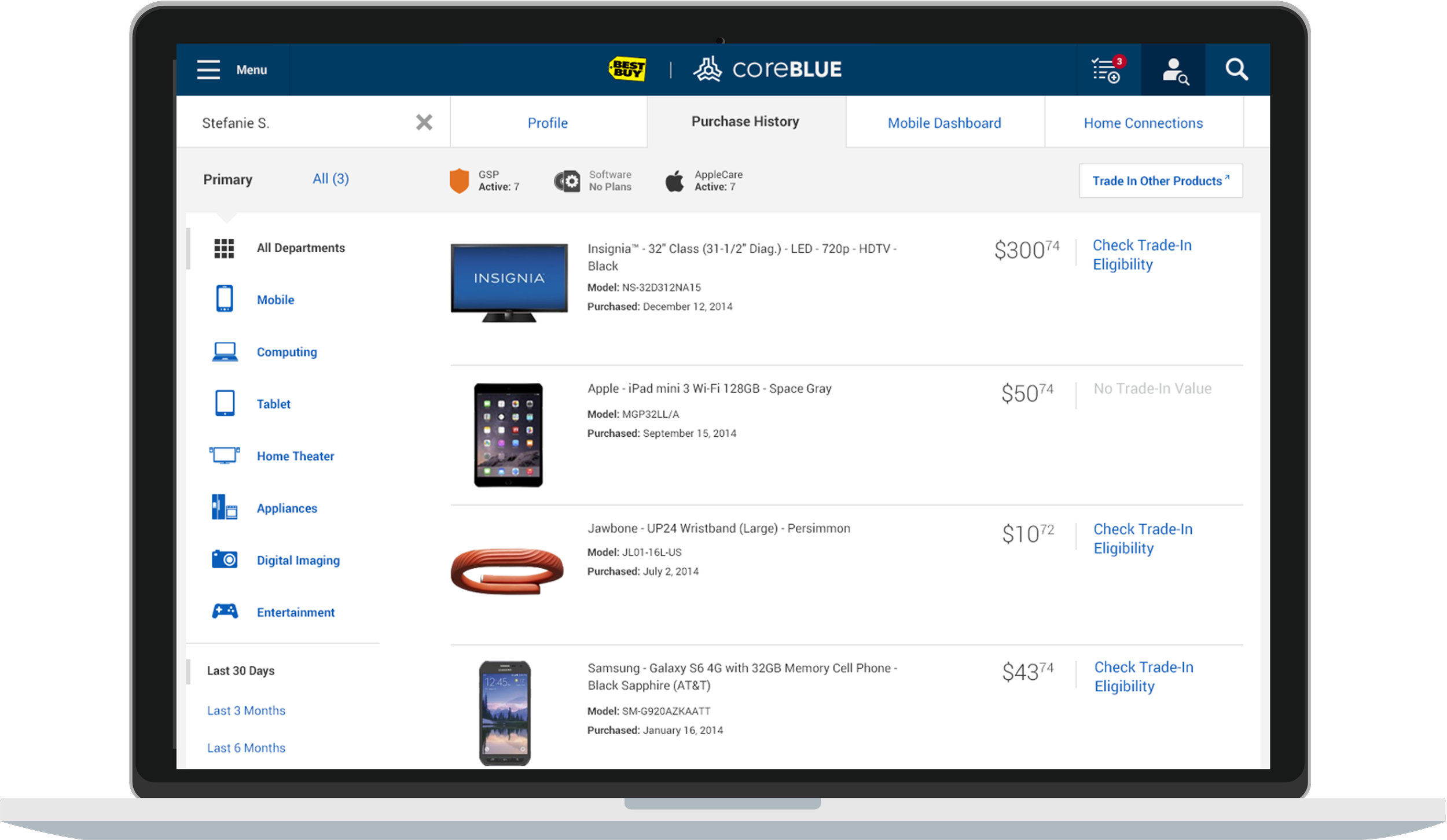
Blue Shirts had to manually cross-reference disconnected tools just to get a item and customer details while servicing a customer.
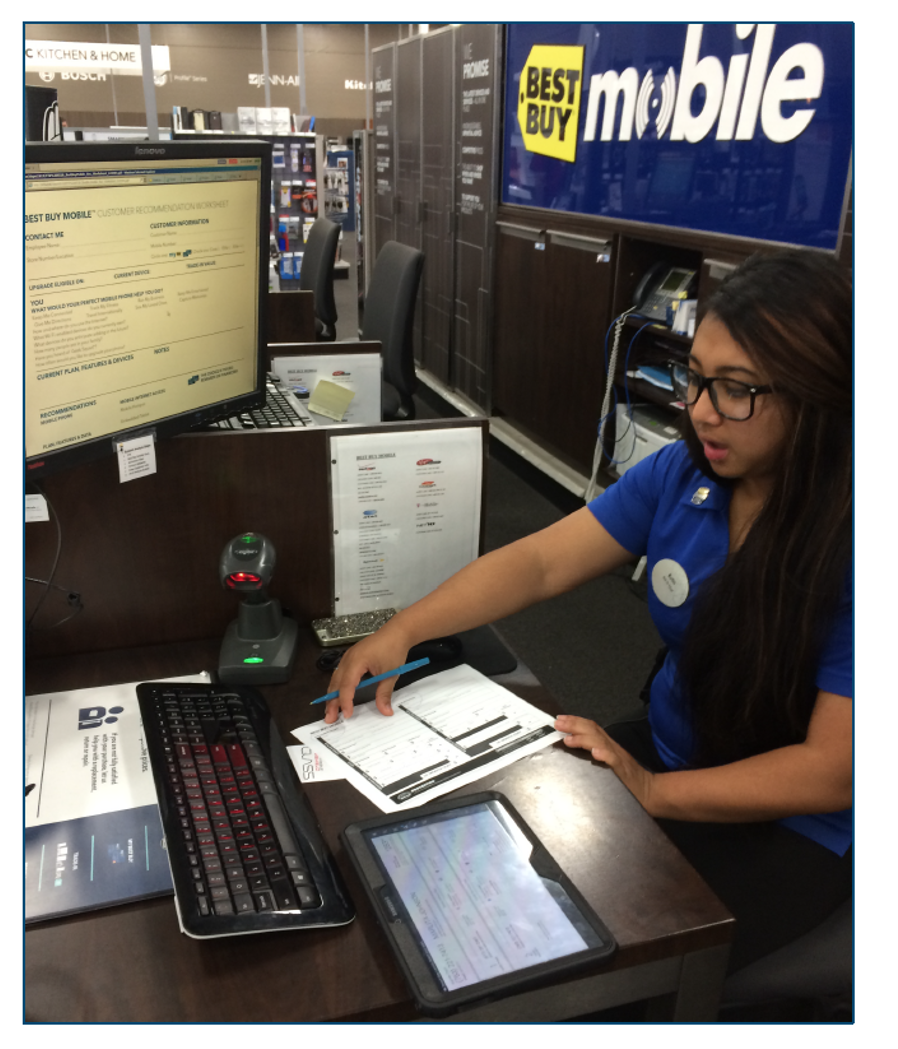
Blue shirt using Workstation, recommendation sheet , and personal device simultaneously to make a sale.
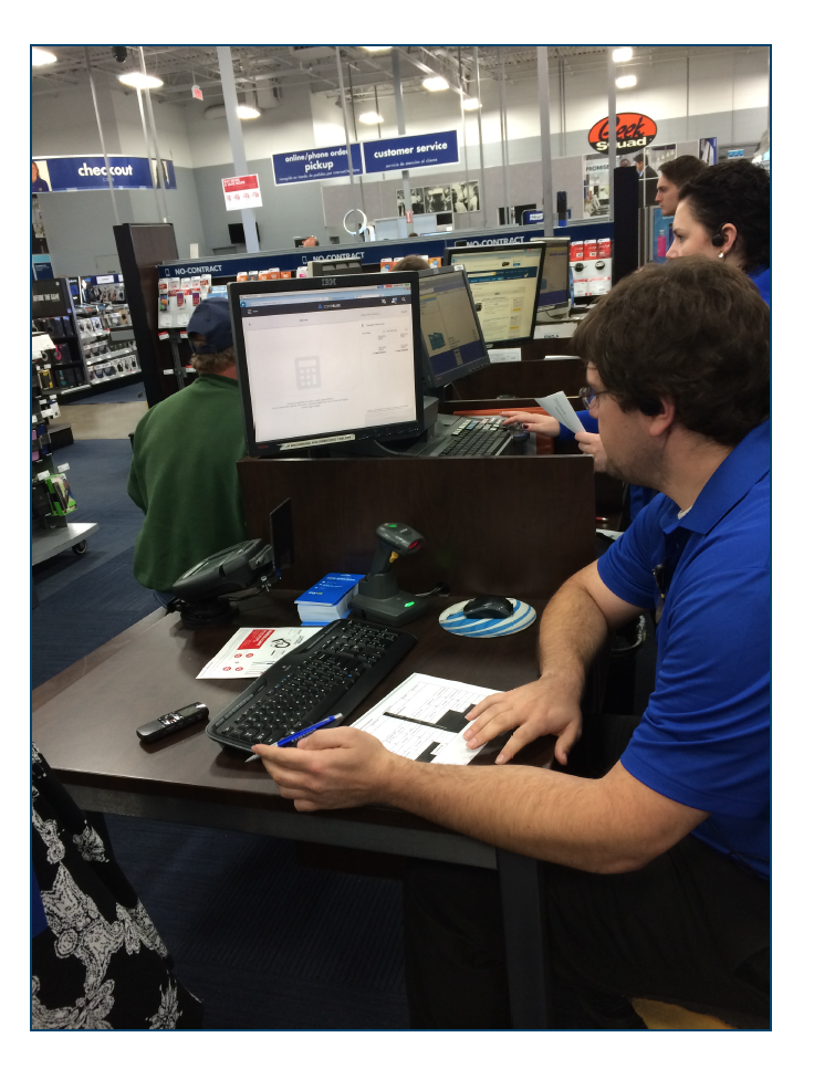
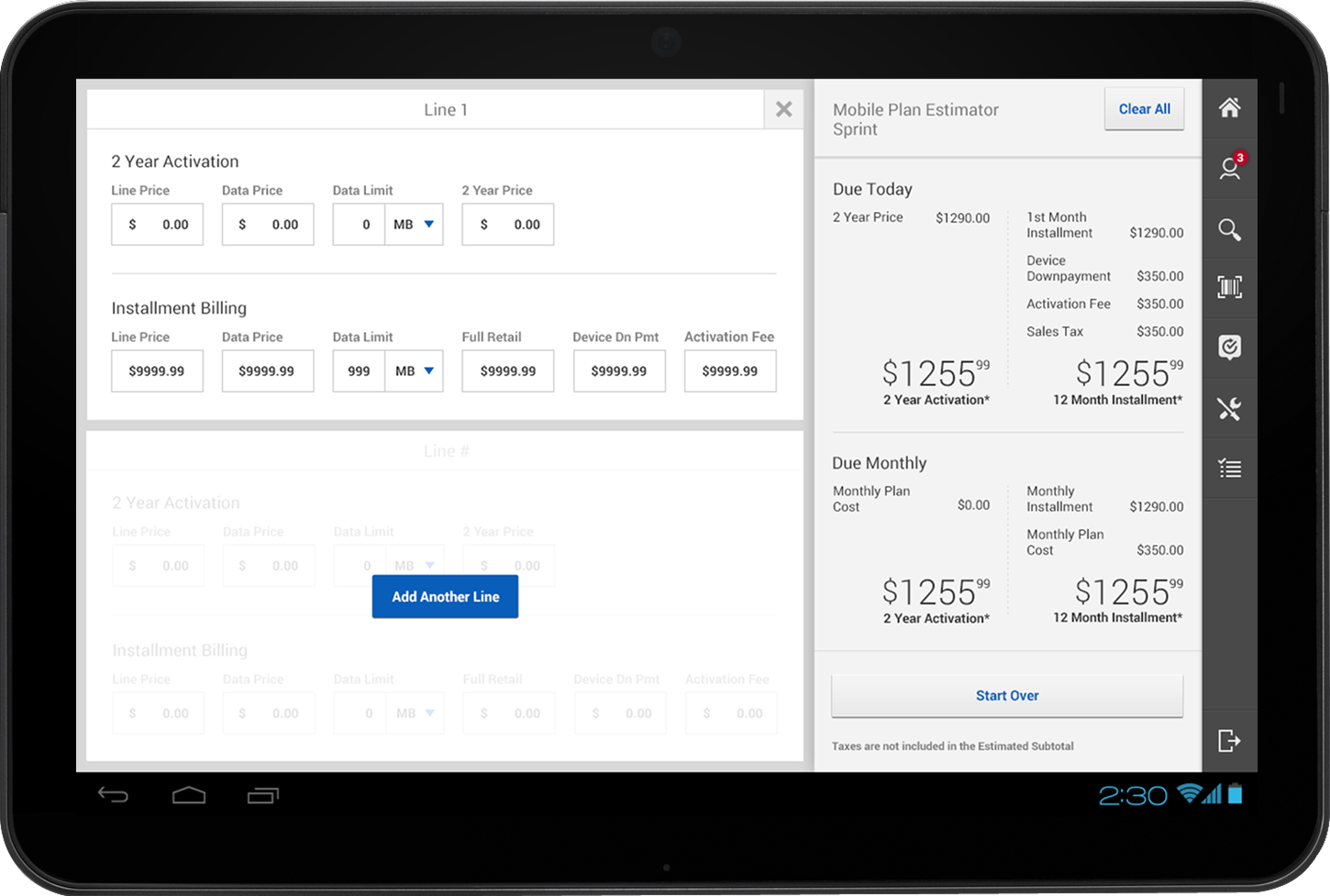
Blueshirt explaining instalment billing during contextual inquiry

Minimum number of touch points per transaction for a blue shirt to complete a sale
"Consultations fall apart when reps don't have the full picture. The goal was to bridge the digital-to-store gap:
Giving advisors instant access to live product data and smart, ecosystem-aware recommendations right on the retail floor."
Dense, Real-World Data Stress:
2.
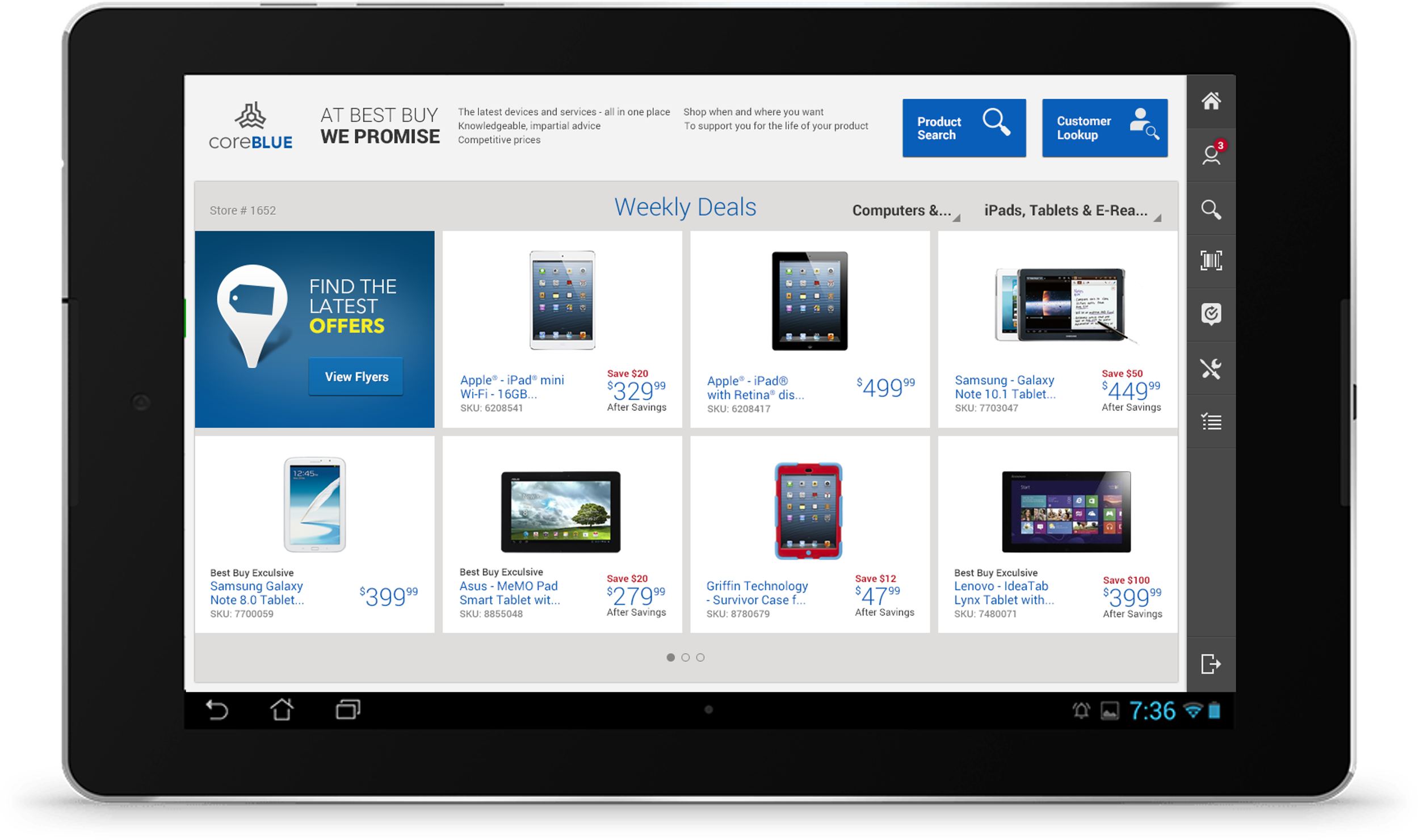
Standard layout patterns completely break when you try to cram hundreds of SKUs, complex pricing matrices, and inventory attributes onto one screen.
The danger was building layouts that looked great in a design review but crashed or became unusable under actual runtime stress.

Conflicting Business Realities:
3.
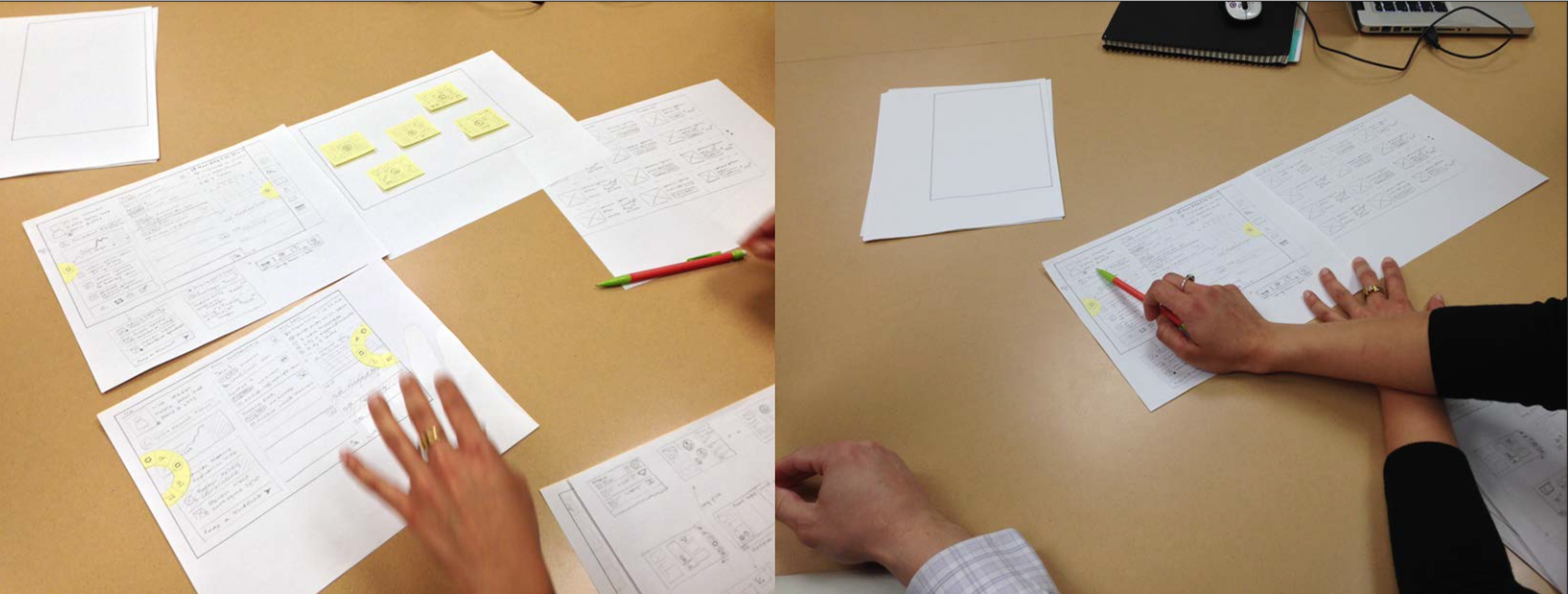
Supply chain managers, merchant buyers, and third-party vendors all operated with completely different operational requirements, resulting in a fractured tool ecosystem and constant process bottlenecks.
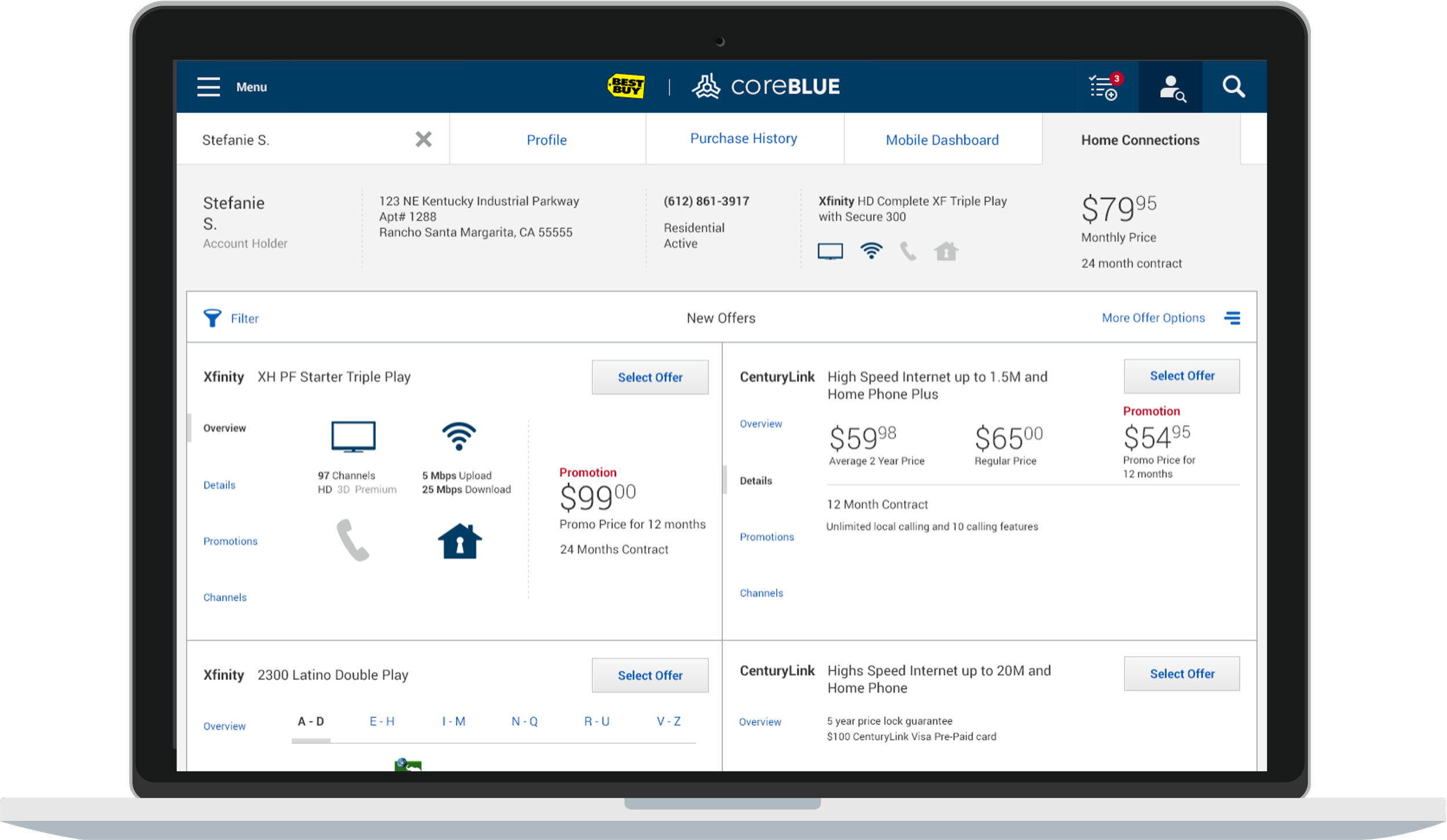
The mechanics of real time inventory, changing contract structures, customer purchase history and rewards ecosystems were all intertwined resulting in sub-optimal sales
⚡ The Resolution
Instead of treating this as a visual styling exercise, we approached it like software architecture—mapping user workflows directly onto backend capabilities.
Orchestrated Technical Variables:
1.
Partnered directly with engineering leads to understand legacy database variables and co-author complex API data loads to match predictable UI patterns.
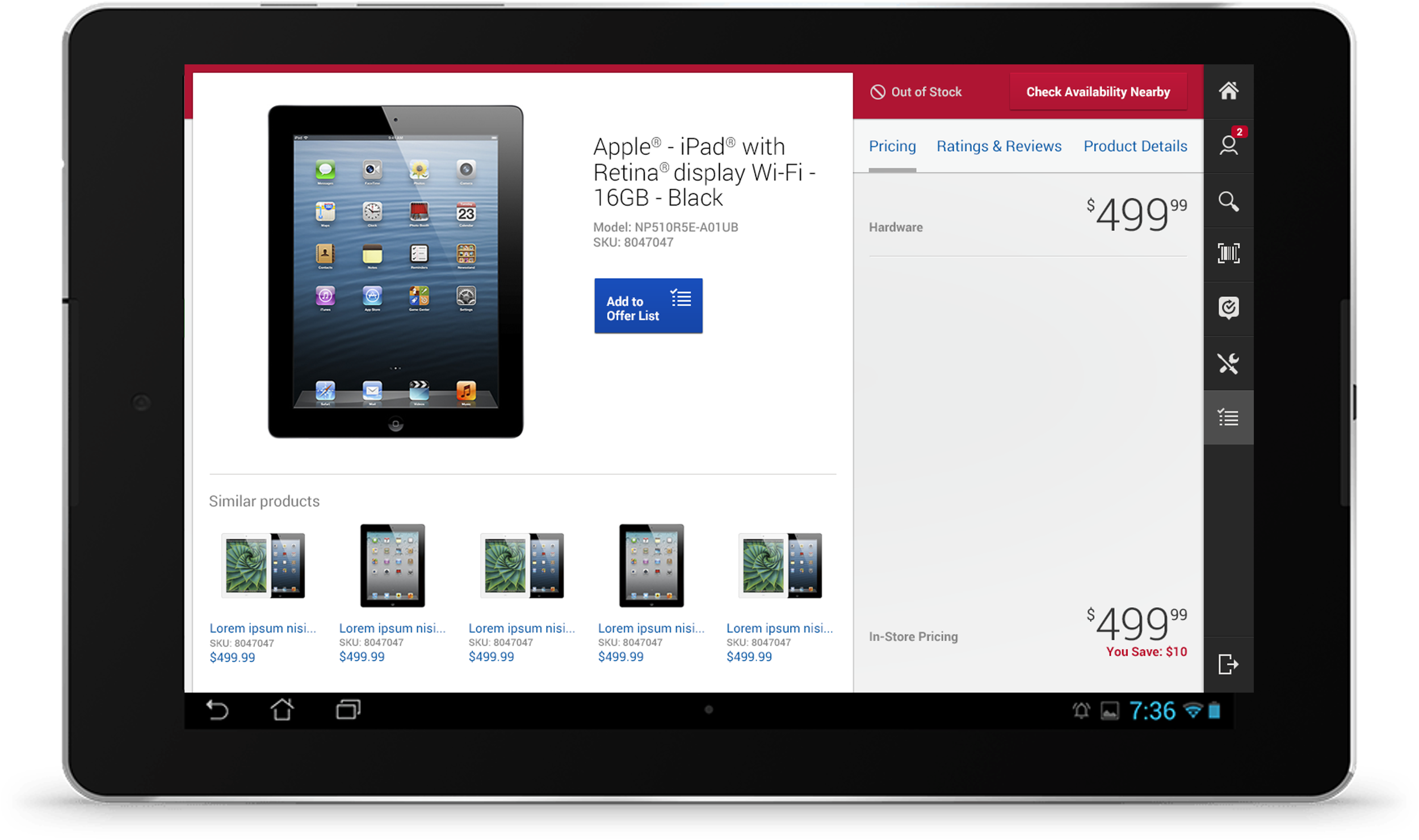
We translated complex backend rules into clean, predictable UI behavior that made it impossible for a blueshirt to hit a dead-end while trying to sell a product.
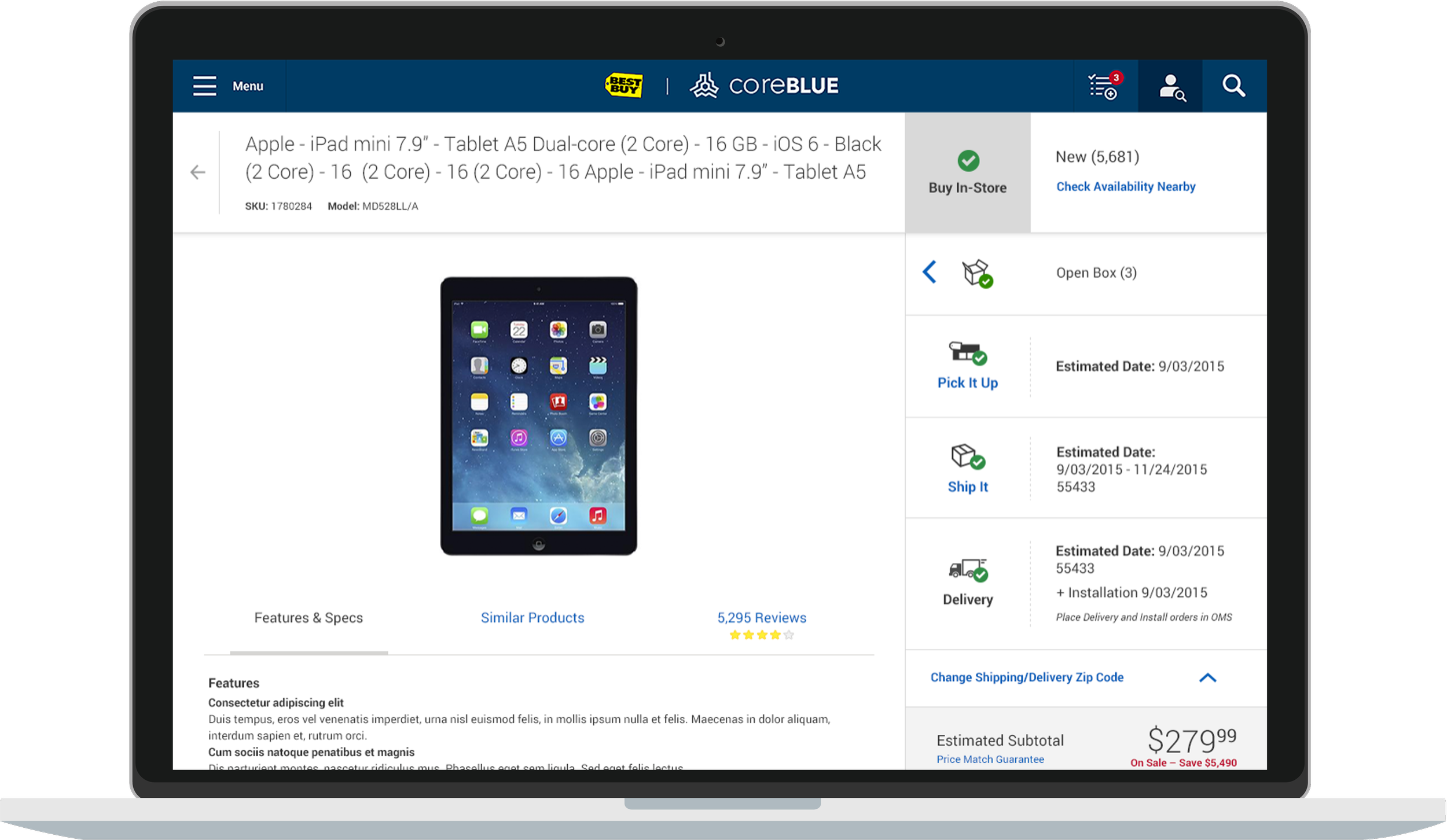
A product was either always available in store/for pickup/for delivery/at a store closeby/pre-order - never truly out of stock.
Built for Operational Velocity:
2.
Designed a centralized, high-density blueshirt “recommendation” workspace focused on always available inventory , rewards, customer contracts and purchase preferences.
This completely wiped out the need for merchants to hop between multiple broken legacy tools.
Eliminated Design-to-Code Friction:
3.
Co-authored layout containers and repeatable technical tokens directly with frontend developers.
This ensured every dense layout and catalog module was built to survive massive data loads in live production without slow downs.
These patterns and layouts formed the design language of all retail operations applications.
Product Evolution
What started as a lean 3-screen proof-of-concept matured over a two-year roadmap into a complete enterprise platform—scaling systematically to power end-to-end order management and complex merchant workflows.